
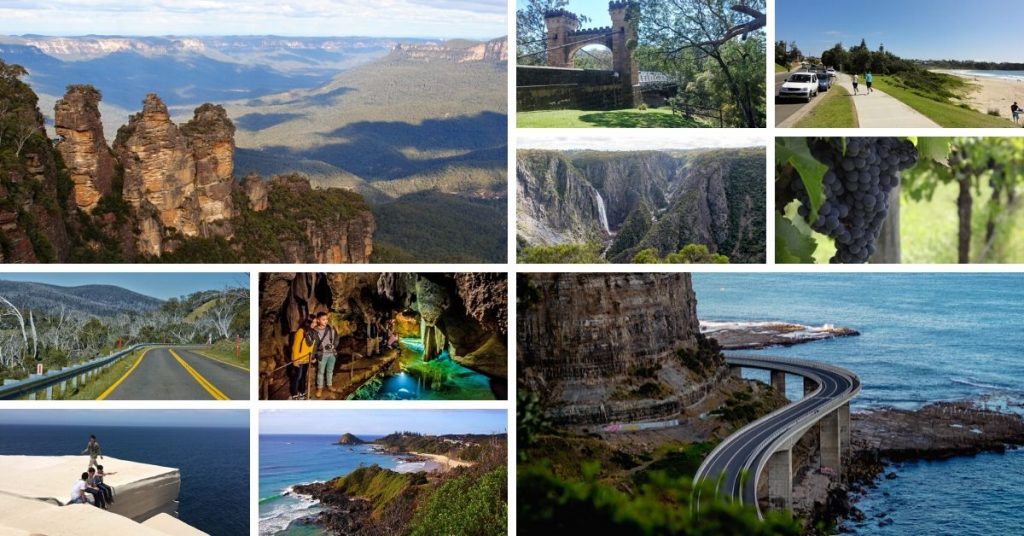
Bags packed and ready for a road trip from Sydney? I hope so, as I have all the best options for you! Below, each road trip leads with the two things most people actually want to know first: how far it is and how long you need. I’ve then added realistic costs, a day-by-day plan, what real travellers say about it, and who it suits best, since a trip that’s brilliant for a couple chasing waterfalls isn’t necessarily the one to take with a toddler and a dog. Do note, conditions on these routes shift often (landslides, floods, park works), so always check Live Traffic NSW and the relevant NPWS park alerts page before you leave.
Don’t have a car? Our guides to car rental in Sydney and campervan rental cover what these actually cost once you factor in the toll trap and the hidden fees.
At a glance: Which Sydney road trip fits your weekend?
If you’re short on time, start here. This table ranks the ten trips from quickest escape to biggest expedition.
| Road trip | Distance / drive time | Suggested length | Best for |
|---|---|---|---|
| Hunter Valley Wine & Food Trail | 170km, ~2 hours | 1–2 days | Couples, foodies |
| Grand Pacific Drive | 140km loop, ~2.5–4 hours | 1–2 days | Families, day-trippers |
| Royal National Park & Coledale Beach | ~35km to the park entry, ~1 hour | 1–2 days | Families, campers |
| Mollymook & the Quiet South Coast | 223km, ~3 hours | 1–2 days | Couples, golfers, grey nomads |
| The Greater Blue Mountains Drive | 102km to Katoomba, ~1h45–2 hours | 2+ days | Families, photographers |
| Heritage Highlights: Southern Highlands | 118km to Bowral, ~1h20 | 3–4 days | Families, history lovers, grey nomads |
| Central West Caves & Fossils Trail | ~200km to Bathurst, ~2.5–3 hours (currently detoured) | 4 days | Couples, grey nomads, history buffs |
| The Kosciuszko Alpine Way | 495km to Thredbo, ~5.5 hours | 3+ days (best in summer) | Grey nomads, couples wanting alpine scenery |
| Legendary Pacific Drive & the Waterfall Way | 533km to Coffs Harbour, ~5.5 hours | 3 days | Hikers, waterfall photographers, grey nomads |
| The Legendary Pacific Coast | Up to 770km to Byron Bay, ~8–9 hours | 4–6 days | Couples, grey nomads, families (shorter legs), surfers |
1. Hunter Valley’s Around Hermitage Food and Wine Trail

Distance/time: 170km, about 2 hours via the M1 Pacific Motorway and the Hunter Expressway (M15) to Hermitage Road, Pokolbin. There’s a scenic alternative via Calga and Wollombi (Tourist Drive 33) that takes closer to 2.5 hours if you’d rather wind through the countryside than sit on the motorway. The route is toll-free apart from NorthConnex, which charges a standard car $10.64 each way if you start north of the CBD tunnels.
Costs: Budget roughly $65 in fuel for the return trip. Wine tasting fees vary a lot: $5–10 for a basic pour, $15–25 for a guided multi-wine tasting, $30–60 at the boutique cellar doors, and $120–180 for a full guided day tour with lunch (most tasting fees come off a purchase, so they’re not necessarily a sunk cost). A sunrise hot air balloon with Balloon Aloft runs from about $319–369 per person including breakfast. If you’d rather not drive between cellar doors, the Hunter Valley Hop-on Hop-off bus covers nine stops for $35 (adults) or $20 (children) for the day.
Accommodation around Pokolbin starts from roughly $81–91 a night on the booking sites, but more than one Tripadvisor local puts it bluntly: operators here “really see you coming” on room rates, and I have to agree. If value matters more to you than a Hunter Valley postcode, basing yourself in nearby Singleton and driving in each day is a popular workaround.
What real travellers say: Whether to day-trip or stay overnight is a live debate on the forums, not a settled question. For time-poor visitors, a guided day tour (around $95 per person with lunch) works fine and takes the tasting-versus-driving conflict off the table entirely. Locals insist the region is too spread out to do justice to in a single day, so if you like the area, you may find yourself wanting to spend more time. That said, some visitors, especially those who’ve been to the Barossa or Napa, may find the scenery here underwhelming and the climate too warm and humid for some varietals. Remember, it’s a food-and-wine trip, not a landscape photography tour.
The current Around Hermitage trail includes Black Creek Farm (Thélème Wines), Keith Tulloch Wine, Peter Drayton Wines, Glandore Estate, 4 Pines at the Farm, Ironbark Hill Brewhouse, Scarborough on Hermitage, Two Fat Blokes Gourmet Kitchen, Oakvale Wines, De Iuliis Wines, Degen Vineyard, Hunter Wine Lab, Piggs Peake, Hunter Farm Wines, Latitude 32, Tintilla Estate, Hunters Dream, Thomas Wines, Wombat Crossing, Adam’s Leap, Hunter Belle Cheese Room and McCaffrey’s Estate.
If you’re travelling with kids, a different cluster of wineries actually welcomes them: Elbourne Wines and Tranquil Vale both have playgrounds, Hunter Farm Wines runs pony rides and a small animal farm, and Pokolbin Estate has junior tasting paddles for ages 6–17. Couples chasing a quieter, more serious tasting tend to head instead for Peppertree, Tower Estate, Tamburlaine, Mistletoe, Ivanhoe and Brokenwood.
- 1-day version: Leave Sydney by 7am, arrive Pokolbin around 9am, visit 3–4 cellar doors along Hermitage Road, lunch at one of the trail’s food venues, and leave by 4pm to beat the return traffic. Arrange a designated driver or use the Hop-on Hop-off bus.
- 2-day version: Day 1 as above but stop tasting by 3pm, check in, and have dinner at a trail restaurant. Day 2, take an optional sunrise balloon flight followed by a relaxed second half-day at two or three more cellar doors.
Best for: couples and foodies doing the classic Around Hermitage trail; families should build their own itinerary around the kid-friendly wineries listed above rather than the boutique cellar doors, since it’s largely a different set of venues.
2. Grand Pacific Drive
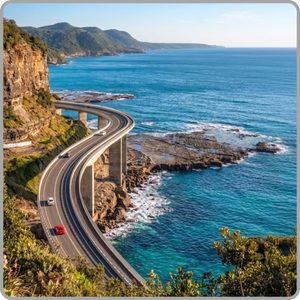
Distance/time: The Grand Pacific Drive itself runs about 140km from the Royal National Park through Wollongong, Shellharbour and Kiama to Nowra, built for stopping rather than speed. Doing it properly, with photo stops on the Sea Cliff Bridge (a free, unrestricted two-lane road with its own walking and cycling path), takes 4 or more hours one way. If you just want to get to Jervis Bay, the faster Princes Highway route is about 189km and closer to 2.5–3 hours.
Conditions as of September 2026: NPWS is running a deer-control program that closes the coastal stretch between Garie Beach and Figure Eight Pools to the public from sunset to sunrise, Monday to Thursday, from 6 July to 18 December 2026 (school holidays excepted). That’s squarely inside this trip’s window, so plan any Figure Eight Pools visit for daylight hours and check the current NPWS alert before you go. Wattamolla’s beach-access pontoon has also been removed for maintenance until 30 September 2026, with access via the eastern stairs and a water crossing only. Royal National Park’s vehicle entry fee is $12 per day.
Costs: HARS Aviation Museum at Albion Park charges Adult $35, Child $15, Concession $30, Family $80 (premium add-ons like the Wing Walk or Cockpit Tour cost extra). Booderee National Park, if you continue into the Jervis Bay side, is $20 per vehicle per day ($10 concession). Kangaroo River kayak hire through Kangaroo Valley Safaris runs from $75 for a solo kayak up to $260 for a family canoe. Accommodation starts from roughly $81–131 a night in Kiama, around $100 in the Jervis Bay area and about $116 in Huskisson, though these are the cheapest listed rooms rather than a typical average.
What real travellers say: Figure Eight Pools carries real safety risks worth taking seriously. The car park is usually full, and the wet rocks are slippery enough to cause falls; the standing advice is to arrive about an hour before low tide, check tide charts in advance, wear proper shoes, and skip it entirely at high tide, when the pools disappear under water. It’s not a spot for young children. Hyams Beach, further south, has become properly overtouristed, with day-visitor numbers regularly exceeding the village’s parking capacity, cars blocking driveways and fire trails, and council now stationing traffic controllers at peak times. Arrive early or pick a quieter beach nearby. On a brighter note, September sits right in the window for the whale migration’s southward leg (mothers travelling with calves, roughly September to November), so this is actually one of the better times of year to make this drive.
- Day 1: Leave early to beat the Figure Eight Pools and Hyams Beach crowds. Enter Royal National Park via the Sea Cliff Bridge, check tide times before attempting Figure Eight Pools, then Symbio Wildlife Park (adult $49, child $32, family of four $145 online), Wollongong (Nan Tien Temple, Belmore Basin) and Kiama Blowhole. Overnight in Kiama or push on to Jervis Bay.
- Day 2: Jervis Bay: a dolphin cruise from Huskisson (book ahead and confirm pricing directly with the operator), Hyams Beach early morning, and Booderee National Park if you’re extending into the marine park. Return via the faster Princes Highway rather than repeating the scenic drive if you’re pressed for time.
Best for: families with primary-to-teen kids (wildlife park, dolphin cruises, blowhole, fruit-picking at Glenbernie Orchard) and couples wanting a scenic drive without serious hiking. Less appealing if you’re chasing solitude at Hyams Beach on a weekend. More on the route: The Grand Pacific Drive: driving guide and key attractions and Sydney to Jervis Bay by car, train or coach.
3. Royal National Park & Coledale Beach
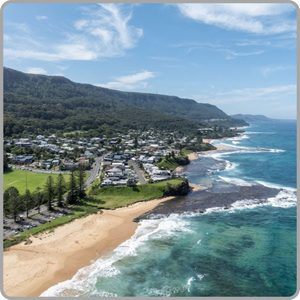
Distance/time: The park entrance is about an hour south of Sydney, making this the shortest true “national park road trip” on this list. It shares the same corridor, fee ($12/vehicle/day) and current NPWS alerts as the Grand Pacific Drive above, including the Garie Beach–Figure Eight Pools nocturnal closures and the Wattamolla pontoon works.
Conditions as of September 2026: Wedding Cake Rock is permanently fenced off from public access. A structural crack threatens the formation, and there have been fatalities from people getting too close to the edge for photos in the past. You can still walk to it and view it from behind the fence, and the walk itself remains scenic, but don’t plan on standing on it. Coledale Beach Camping Reserve is confirmed still open and bookable, though its last publicly confirmed rates dated to a mid-2023 update (roughly $25–55 a night depending on site type and season), so check current pricing directly before you book.
- Day 1: Enter Royal National Park, view Wedding Cake Rock from the fenced lookout, then Marley Beach, Wattamolla (stairs and a water crossing while the pontoon is out), Garie Beach and Figure Eight Pools (tide-timed, and check the deer-control closure isn’t in effect), Bald Hill Lookout and Symbio Wildlife Park.
- Day 2 (optional): Maddens Falls (worth a quick call ahead to confirm current access, as we couldn’t verify its status independently), the Sea Cliff Bridge, and an overnight at Coledale Beach Camping Reserve.
Best for: families wanting a slower-paced version of the Grand Pacific Drive that ends with a night of camping by the beach, and grey nomads towing a camper who’d rather have one relaxed overnight than a two-town itinerary. Full route detail: Sydney to Royal National Park by car, train and ferry.
4. Mollymook & the Quiet South Coast
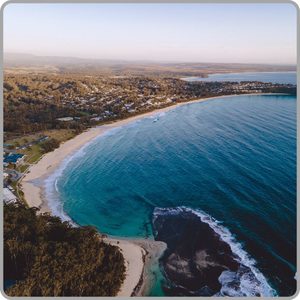
Distance/time: 223km, about 2h56 via the Princes Highway, passing between Heathcote and Royal National Parks, along the Illawarra Escarpment, and through Wollongong, Kiama, Gerringong and Berry. Worthwhile stops along the way include Bulli Lookout, Mount Keira Lookout and Bombo Headland’s basalt columns.
Costs: Rooms start from around $93 a night on booking aggregators, treat this as a floor price rather than a typical rate. Mollymook has two well-known golf courses; green fees change seasonally, so check directly with the clubs rather than relying on an old number.
What real travellers say: Mollymook doesn’t attract attention like Jervis Bay and Hyams Beach do, and that’s arguably the point. It’s the lower-drama alternative on the same stretch of coast. It sits on the same whale migration corridor as Kiama, so the same September–November southward-migration window applies here too.
- Day 1: Depart via the Princes Highway with stops at Bulli Lookout, Kiama Blowhole and Bombo Headland. Arrive Mollymook by early afternoon for the beach or a round of golf.
- Day 2: Morning fishing or snorkelling, a check of the whale-watching lookouts if you’re travelling September–November, then return via Berry for lunch.
Best for: couples, golfers, surfers and grey nomads wanting a low-key coastal escape without the crowd-management headaches further north; less suited to families chasing ticketed attractions, since Mollymook’s appeal is the beach and golf lifestyle rather than a list of things to book. Berry is a good lunch stop en route: Sydney to Berry by car or train.
5. The Greater Blue Mountains Drive
Distance/time: Sydney to Katoomba is 102km via the M4 Motorway and the Great Western Highway, typically 1h45–2 hours depending on traffic. The M4 toll for a standard car is capped at $10.79 one way.
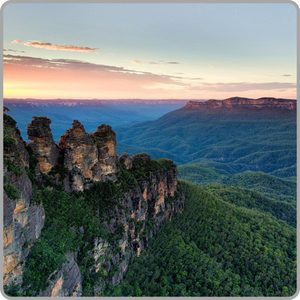
An important 2026 update: the Great Western Highway has been closed in both directions at Victoria Pass, between Mount Victoria and Little Hartley, since 8 March 2026, after engineers found the 194-year-old convict-built causeway had deteriorated. It isn’t expected to reopen until Easter 2027. This doesn’t affect Katoomba itself, which sits well before the closure, but it does mean anyone planning to continue on to Lithgow, Mudgee or Orange needs to detour via Darling Causeway and Chifley Road, or take Bells Line of Road instead (which is now the officially signposted detour, and arguably a nicer drive than the direct route anyway). The long-planned Katoomba–Lithgow highway widening that might eventually have fixed this bottleneck was scrapped back in 2023 and remains shelved.
Inside Blue Mountains National Park itself, several tracks are currently affected: Leura Cascades’ northern access is closed (use the Prince Henry Cliff Walk as a detour), the western section of National Pass is closed for a landslide hazard, Govetts Leap descent and Rodriguez Pass are closed for rockfalls, and Mount Hay Road is closed until 17 December for upgrades. Check the current Blue Mountains National Park alerts before you commit to a specific track, since these change often.
Costs: NPWS charges a $8 daily vehicle fee, but only in the Glenbrook area, not at Katoomba, Leura or Wentworth Falls. Scenic World’s Unlimited Discovery Pass (railway, cable car, skyway and walkway) starts from $64 for adults. Budget roughly $32–34 in fuel for the return trip.
What real travellers say: On the Great Western Highway versus Bells Line of Road question, the highway has more overtaking lanes and is more direct but is stop-start through the residential sections, while Bells Line is prettier and quieter but windier, with a steep eastern approach that’s “a pain for caravans.” Fog and poor visibility a recurring complaint, so check the weather forecast before you book a specific day. NPWS itself flags that weekend parking along the drive can be tight, so arrive early if you’re visiting on a Saturday or Sunday.
- Day 1: Katoomba. Echo Point and the Three Sisters, Scenic World (check the forecast first), the Grand Canyon Track, and Leura Cascades via the Prince Henry Cliff Walk detour.
- Day 2, option A (recommended given the closure): Loop back via Bells Line of Road, stopping at Mount Tomah Botanic Garden and Mount Wilson.
- Day 2, option B: Continue to Lithgow (Blue Mountains Heritage Centre, Esbank House Museum, Hassans Wall Lookout) via the Darling Causeway/Chifley Road detour, budgeting an extra 30–60 minutes for the diversion.
- Day 2, option C (for a longer trip): Extend through the Capertee Valley to Mudgee, Orange and the Upper Hunter, again via the detour.
Best for: families with primary-to-teen kids (manage expectations on foggy days), couples and photographers chasing the lookouts, and grey nomads who’d prefer the gentler Bells Line loop over the steeper canyon tracks. Full detail: Sydney to Blue Mountains by car or train and our Katoomba suburb guide.
6. Heritage Highlights: Southern Highlands
Distance/time: Sydney to Bowral is 118km, about 1h20 via the toll-free Hume Motorway. It’s a fast, 110km/h dual carriageway the whole way, though an average-speed camera zone is expected on the Campbelltown–Wilton section during the second half of 2026.
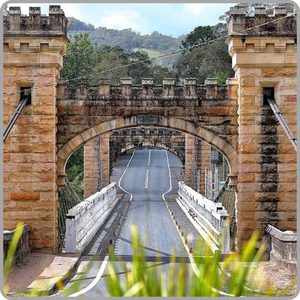
Conditions as of September 2026: Thirlmere Lakes National Park is open, but Pumphouse Road has been closed to vehicles since April, so reach the Dry Lakes, Lake Werri Berri and Couridjah precincts via Slades Road instead. The Lake Couridjah picnic area is closed until 2 October. Hampden Bridge at Kangaroo Valley is still open to ordinary traffic, though its load limit was cut in 2025 to protect the heritage structure while repairs continue through late 2026; this doesn’t affect a standard car. Fitzroy Falls remains open with a wheelchair-accessible boardwalk, and the vehicle fee at that entry point is $4 a day ($8 at Bundanoon). One naming note: what the original version of this article called Wirrimbirra Sanctuary now operates as the Australian Wildlife Sanctuary at Bargo, volunteer-run on land still owned by the National Trust.
Costs: The Bradman Museum in Bowral charges Adult $30, Child $16.50, Family (2 adults, 2 children) $77, Concession $23.50 (add 10% on public holidays). We couldn’t pin down current published prices for HARS Aviation Museum or the Australian Motorlife Museum at Kembla Grange (the venue most likely meant by “Australian Motor Museum” in the original), so call ahead before you build ticket costs into your budget.
- Day 1: Picton’s historic streetscape, the NSW Rail Museum at Thirlmere, Thirlmere Lakes National Park (via Slades Road), the Australian Wildlife Sanctuary, then on to Bowral.
- Day 2: Bradman Museum, Hampden Bridge and Kangaroo Valley, then Fitzroy Falls.
- Day 3: The Kiama Coast Walk, HARS Aviation Museum at Albion Park (confirm current prices), and the Australian Motorlife Museum.
- Day 4: Sea Cliff Bridge and the Grand Pacific Drive on the way home.
Best for: this is the most broadly accessible trip on the list, families with young kids, grey nomads, and casual day-trippers will all find something here, while the Kiama Coast Walk adds appeal for keen walkers and photographers. More detail: Sydney to Bowral, Sydney to Fitzroy Falls & Kangaroo Valley, and our Picton suburb guide.
7. Central West Caves & Fossils Trail
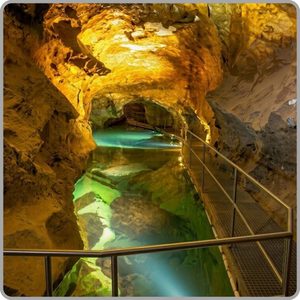
An important update before you plan this one: Jenolan Caves, the original centrepiece of this itinerary, is closed to the public and isn’t expected to reopen before early 2027, following years of fires, floods and 2024 flash flooding that damaged Jenolan Caves Road and flooded the historic Caves House. Even once it reopens, general vehicle access on Two Mile Road won’t return, visitors will use a shuttle bus instead. The Six Foot Track walking trail between Katoomba and Jenolan is also currently closed due to rainfall damage. We’ve rebuilt this itinerary around Wellington Caves as the headline cave experience instead, since recommending a closed attraction as the star of a road trip isn’t much use to anyone.
Distance/time: Sydney to Bathurst is roughly 200km and ordinarily 2.5–3 hours via the Great Western Highway and Lithgow, though this leg is currently affected by the same Victoria Pass closure described above, so budget extra time for the Darling Causeway or Bells Line of Road detour.
Conditions as of September 2026: the Glow Worm Tunnel walking track itself has no current alerts, but its access road (Old Bells Line of Road) carries haulage-truck traffic on weekdays from 4am to 6pm and Saturdays 4am to 1pm, a UHF radio or the alternative State Mine Gully Road is worth considering. The Forest Campground nearby is closed for redevelopment. There’s also an active community petition opposing a planned closure of Glen Davis Road in the Capertee Valley, worth a quick check closer to your travel date.
Costs: The Australian Fossil and Mineral Museum in Bathurst charges Adult $15, Concession $11, Child (5–18) $7.50, Family $39. Wellington Caves charges Adult $32.50, Concession $28.50, Child $16; the Cathedral Cave tour involves around 300 stairs and the Gaden Cave tour around 240, both rated medium fitness (the wheelchair-accessible Phosphate Mine tour is currently closed). A sunrise hot air balloon flight over Canowindra runs from about $230 per person in a group of ten or more, or $300 per person for a standard flight. Bathurst-area motels run roughly $61–78 a night on the aggregator sites.
What real travellers say: reviews of Jenolan from before its closure repeatedly warned that the tours involve narrow passages, tight spaces and a serious number of stairs, not ideal for very young children or anyone uneasy in confined spaces. The same caution transfers directly to Wellington Caves, given its comparable stair counts.
- Day 1: Sydney to Bathurst via the detour, then the Australian Fossil and Mineral Museum.
- Day 2: Blayney, Carcoar and Millthorpe’s historic villages, then on to Orange.
- Day 3: A sunrise balloon flight over Canowindra (early start required), then Cowra.
- Day 4: Wellington Caves, then return to Sydney via the detour.
Best for: couples, grey nomads and history or geology enthusiasts comfortable with several hundred kilometres of driving across four days. The cave tours’ stair counts make this less suitable for very young children, prams or anyone with limited mobility. More on getting to the region: Sydney to Orange by car, train or plane.
8. The Kosciuszko Alpine Way
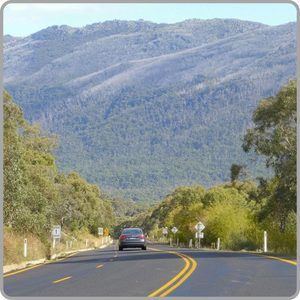
A frank word before you book this one for September: this is the trip on our list most likely to disappoint if you plan it for the wrong month, and 2026 has made September a particularly poor choice. It was the fifth-worst snow season on record, roughly 45% below the long-term average, and both major resorts closed early: Thredbo shut its 2026 ski season on 13 September, about three weeks ahead of schedule, and Perisher followed on 25 September. If you’re reading this any time in September, skiing here is already over for the year.
Distance/time: Sydney to Thredbo is 495km, about 5h30 via Canberra (Sydney–Canberra 3h05, Canberra–Cooma 1h22, Cooma–Jindabyne 45 minutes, Jindabyne–Thredbo 31 minutes). That’s meaningfully further than the “four-hour drive” this article originally suggested, which really only gets you as far as Cooma.
Conditions as of September 2026: the classic Khancoban–Kiandra loop that the original version of this trip was built around is closed for all of September. The Cabramurra–Khancoban Road (KNP5) and several connecting roads are shut from 5 June to 2 October, with a further closure at Tumut Ponds from 16 September to 9 October for Snowy Hydro works. Long Plain Road, Port Phillip Trail and Blue Waterholes Trail are also closed over the same winter window, and Kosciuszko Road between Perisher and Charlotte Pass is shut for the season. As of 10 September, high-altitude walks above 1,800 metres, including the Main Range approach to the summit, were snow-covered with active avalanche risk warnings, low visibility and extreme winds. Any 2WD vehicle entering the park between the June and October long weekends is legally required to carry snow chains. And one correction to the original itinerary: Jindabyne’s “Man From Snowy River Rodeo” is a real, long-running event, but it happens on 28 December, not in September.
Costs: Kosciuszko National Park charges $29 per vehicle per day during the winter peak period (the June long weekend through the October long weekend), which covers the whole of September, rather than the $17 off-peak rate. Thredbo’s scenic chairlift (a separate, walking-access lift from the ski lifts) costs $70 for adults per day, $25 for children and $55 for seniors, though we couldn’t confirm whether there’s a gap between the 13 September ski-season close and the lift’s summer scenic schedule, so call ahead. Jindabyne accommodation starts from roughly $88–202 a night depending on the site and season; Lake Crackenback Resort is now branded Oaks Lake Crackenback Resort.
Should you still go in September? If you’re after skiing or the full alpine loop, no, come back in summer (December to March) instead, when the roads reopen and the resorts are running proper scenic operations. If you just want the drive, the alpine towns and the Snowy Hydro story without needing snow gear, a shorter, lower-altitude version of this trip still works well.
- Day 1: Sydney to Cooma via Canberra. Visit the Snowy Mountains Hydro Scheme, go white-water rafting or horse trail riding (none of which depend on the closed high roads), overnight in Cooma or Jindabyne.
- Day 2: Jindabyne, Oaks Lake Crackenback Resort, and Thredbo village. Stick to walks below 1,800 metres given the active avalanche warnings, and confirm the scenic chairlift is running before you plan around it.
- Day 3: Rather than attempting the closed Khancoban–Kiandra loop, either return via Cooma and Canberra, or check directly with NPWS whether Yarrangobilly Caves are reachable by an alternate route. The full loop, including Yarrangobilly, opens up properly from early October and is much better suited to a summer visit.
Best for (in September specifically): grey nomads and couples wanting a scenic high-country drive and alpine towns without needing snow gear. Not suited to families expecting to ski, thrill-seekers wanting the full loop, or anyone planning to drive above the snowline without chains. See also: Sydney to Canberra, which forms the first leg of this route.
9. Legendary Pacific Drive & the Waterfall Way
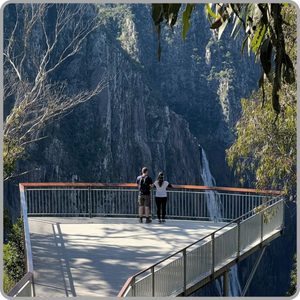
Distance/time: Sydney to Coffs Harbour is 533km, about 5h24 via the Pacific Motorway. From there, the Waterfall Way runs 207km inland to Armidale via Bellingen, Dorrigo, Ebor and Wollomombi.
An important road condition update: the section of Waterfall Way between Dorrigo and Thora/Bellingen (the Gordonville Cutting) has had repeated, serious landslides throughout 2026. Long-term slope remediation began on 3 August and is still underway, with single-lane alternating traffic, a 40km/h limit, and a 3-metre vehicle width restriction that will catch out wider caravans. A detour via Summervilles Road exists between Dorrigo and Bellingen. Check Live Traffic NSW before you leave, and don’t assume this stretch will be a quick drive.
Waterfall by waterfall: Dangar Falls is closed until 31 January 2027 for a bridge and walking-track upgrade, drop it from your plan for now. Wollomombi Falls is open and makes a good substitute. Ebor Falls reopened in 2024 after a $5.5 million redevelopment and is now more accessible than the 2020 version of this trip described, with two new accessible lookouts. The Dorrigo Rainforest Centre is open, though the Lyrebird Link track to Crystal Shower Falls has had intermittent closures for safety works, check current alerts before you commit to that specific walk. We couldn’t confirm the current status of Tristania Falls, so treat that one as unverified.
What real travellers say: touring guides generally describe Waterfall Way as suitable for towing a caravan the entire way, mostly sealed with only a few short unsealed spurs, but that assessment predates the current roadworks, so the 3-metre width restriction at Gordonville Cutting is a live, not historical, obstacle for wide vans right now.
- Day 1: Sydney to Coffs Harbour (about 5.5 hours).
- Day 2: Bellingen, then Dorrigo (the Rainforest Centre and Crystal Shower Falls if the track is open), then on toward Ebor, checking Live Traffic first given the ongoing roadworks and budgeting extra time.
- Day 3: Wollomombi Falls as your waterfall highlight, then return to Coffs Harbour or continue on to Armidale.
Best for: waterfall photographers, hikers, and grey nomads with time to spare and patience for roadworks delays. Less ideal right now for wide caravans or anyone on a tight schedule. Coffs Harbour is also the jumping-off point for the Legendary Pacific Coast trip below, and Newcastle makes a sensible first-night stop if you’re breaking the drive up: Sydney to Newcastle.
10. The Legendary Pacific Coast
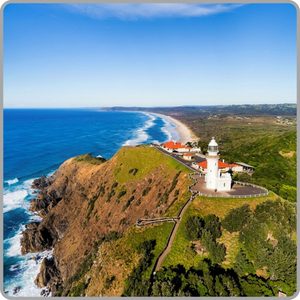
Distance/time: this is the big one. Sydney to Newcastle is 170km (about 2 hours), Port Stephens about 2.5 hours, Port Macquarie roughly 390km (about 4.5 hours), Coffs Harbour 533km (about 5h24), and Byron Bay around 770km, 8–9 hours of driving in total. You can shorten it to just Port Macquarie or push all the way to Tweed Heads.
Good news and a caveat: the M1 Raymond Terrace extension opened on 11 September 2026, 18 months ahead of schedule, finally bypassing the long-standing Hexham and Heatherbrae bottlenecks. That means you can now drive from Sydney to Coffs Harbour without hitting a single traffic light, except that the Coffs Harbour Bypass itself isn’t open yet. It’s expected by the end of 2026, so as things stand you’ll still crawl through Coffs Harbour’s CBD lights on the way through. This corridor is toll-free apart from NorthConnex, which charges $10.64 each way for a standard car.
A standing flood caveat worth taking seriously: this coast is a real flood risk in every season, not a one-off. May 2025 brought what’s been described as a 1-in-500-year flood event across the Mid North Coast, hitting Taree, Wingham, Kempsey, Port Macquarie, Coffs Harbour and Dorrigo hard, and recovery work is still ongoing through 2026. Flash flooding recurred around Byron and Bangalow again in March 2026. Check Live Traffic NSW and the Bureau of Meteorology before you leave, especially November to April.
Costs: budget roughly $290–310 in fuel for the full Sydney–Byron Bay return trip. Accommodation starts from around $69–93 a night in Port Macquarie, $75 in Port Stephens and $62–69 in Coffs Harbour, but Byron Bay is distinctly pricier: the calculated average double-occupancy hotel room there runs about $204 a night, noticeably above the rest of this coast.
What real travellers say: Byron Bay is straining under its own popularity. Paid parking has now spread beyond the town itself to Brunswick Heads, and locals have vandalised meters in protest at the congestion. In Byron proper, expect $3–4 an hour in the CBD, a flat $10 a day at Cape Byron Lighthouse, beach car parks (especially Wategos) full by 8–9am on summer weekends, and fines from around $130. Arrive early, or use the free lots at Butler Street Reserve or Tallow Beach Road and walk in. Further south, some experienced travellers actually prefer Port Stephens over the Hunter Valley for dolphin watching, beaches and sand dunes, worth knowing if you’re weighing this trip against Trip 1.
- Day 1: Newcastle to Port Stephens (Nelson Bay), afternoon dolphin cruise or sand dunes.
- Day 2: Port Macquarie, koala hospital, breakwall walk.
- Day 3: A South West Rocks detour (Trial Bay Gaol, Smoky Cape), then on to Coffs Harbour.
- Day 4: A full day in Coffs Harbour, or branch off onto the Waterfall Way (Trip 9).
- Day 5: Coffs Harbour to Byron Bay, with stops at Yamba or Ballina.
- Day 6: Byron Bay to Tweed Heads, or extend into Queensland.
Short on time? The original 4-day version still works well: Day 1 Newcastle/Port Stephens, Day 2 Port Macquarie, Day 3 Coffs Harbour, Day 4 Byron Bay and Tweed Heads.
Best for: couples and grey nomads doing the full run at a relaxed pace, families on the Port Stephens, Port Macquarie or Coffs Harbour legs specifically, and surfers or younger travellers drawn to Byron, who should budget for its premium pricing and parking hassle. More detail: Sydney to Newcastle and Sydney to Lake Macquarie.
More road trips from Sydney, in brief
Didn’t find quite the right fit above? Here are eight more solid options, each with its own detailed guide.
- Canberra: about 286km, 3–3.5 hours via the Hume and Federal Highways. The National Gallery of Australia and the view from Mount Ainslie over the Parliamentary Triangle are the standouts.
- Wagga Wagga: roughly 450–460km, about 5–5.5 hours via the Hume Highway. Wagga Wagga Botanic Gardens has a free zoo, and the surrounding Riverina is solid wine country.
- The Hawkesbury (Windsor and Wisemans Ferry): about 73km to Wisemans Ferry, roughly an hour. Ride the free 24-hour vehicular cable ferry across the river, or wander Windsor’s convict-era streets.
- Palm Beach: about 40km, 1–1.25 hours (longer in weekend beach traffic). Climb to Barrenjoey Lighthouse for the view over Pittwater, then ferry across to The Basin.
- Berry: 143km, about 2 hours via the Princes Highway. Queen Street’s heritage shopfronts and The Silos Estate for wine and alpacas.
- Lake Macquarie: about 120–130km, 1.5–2 hours via the M1. Kayak or swim on Australia’s largest saltwater coastal lagoon.
- Orange: about 250–260km, roughly 3.5 hours. Cool-climate cellar doors around Mount Canobolas, especially lively during the annual F.O.O.D Week.
- Wollongong: 68–82km depending on route, about 1–1.25 hours. Walk the Sea Cliff Bridge or visit the Nan Tien Buddhist Temple, the largest in the Southern Hemisphere.
Whichever trip you choose, the one habit worth building before every departure is the same: a quick check of Live Traffic NSW and the relevant NPWS park alerts page. As this update shows, roads and parks around Sydney change more often than the average travel article accounts for.